
Menstrual Health
Irregular Periods & Menstrual Disorder Treatment in Indirapuram
A normal cycle is 21–35 days long with bleeding for 2–7 days. Cycles that are shorter, longer, unpredictable, unusually heavy or painful enough to disrupt work or school are worth evaluating — not because they are always serious, but because most have a clear, treatable cause. Dr. Bhavya Rathore treats menstrual disorders in Indirapuram for teenagers through to women approaching menopause.
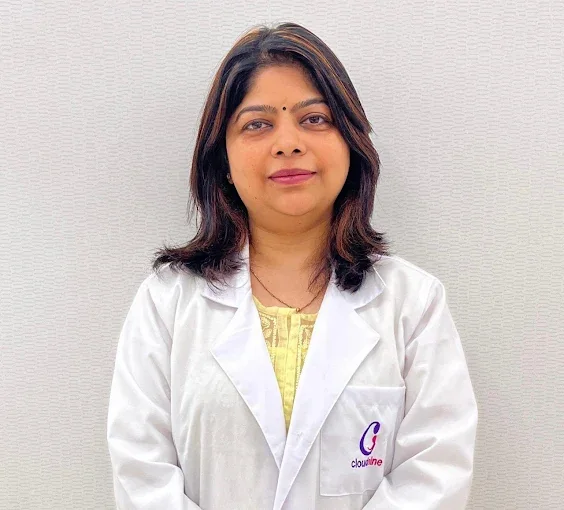 Reviewed by Dr. Bhavya Rathore, MBBS, MS (Obs & Gyn), FMAS
Updated 21 September 2026
Overview
Menstrual problems fall into a few patterns: irregular or absent periods (usually hormonal — PCOS, thyroid, prolactin, stress, weight change), heavy periods (fibroids, adenomyosis, polyps, bleeding disorders, hormonal imbalance), painful periods (primary dysmenorrhoea, endometriosis, adenomyosis) and bleeding between periods or after intercourse (infection, polyps, cervical causes). The pattern, your age and a few targeted tests usually point to the diagnosis.
Menstrual problems we evaluate
- Irregular cycles or missed periods (oligomenorrhoea / amenorrhoea)
- Heavy menstrual bleeding — soaking a pad every hour, clots, bleeding beyond 7 days
- Painful periods (dysmenorrhoea) that need regular painkillers or cause missed work
- Bleeding between periods or after intercourse
- Periods that have stopped for more than three months (not due to pregnancy)
- Premenstrual syndrome (PMS) affecting daily life
- Perimenopausal changes in bleeding pattern
Common causes
- PCOS and other ovulation disorders
- Thyroid disease and raised prolactin
- Fibroids, adenomyosis, endometrial or cervical polyps
- Endometriosis
- Pelvic infection
- Significant weight change, intense exercise or stress
- Bleeding disorders (especially with heavy periods since adolescence)
- Perimenopause
When to consult a gynecologist
- Cycles consistently shorter than 21 or longer than 35 days
- No period for three months when not pregnant
- Bleeding heavy enough to cause fatigue, breathlessness or anaemia
- Pain not relieved by simple painkillers, or pain that is getting worse each year
- Any bleeding after intercourse or after menopause
Evaluation
- Menstrual diary and detailed history
- Pelvic ultrasound (transabdominal or transvaginal)
- Blood tests — haemoglobin, thyroid, prolactin, androgens, coagulation profile where indicated
- Pap smear and infection screening when relevant
- Hysteroscopy or endometrial sampling for abnormal bleeding in women over 40 or when the lining is thickened
Treatment
- Correcting the underlying cause — thyroid, PCOS, infection, weight
- Hormonal regulation with pills, progesterone or a hormonal IUD (Mirena) for heavy bleeding
- Tranexamic acid and NSAIDs to reduce bleeding and pain
- Iron therapy for anaemia
- Hysteroscopic removal of polyps; laparoscopic treatment of fibroids or endometriosis
- Endometrial ablation or hysterectomy for severe, persistent bleeding once family is complete
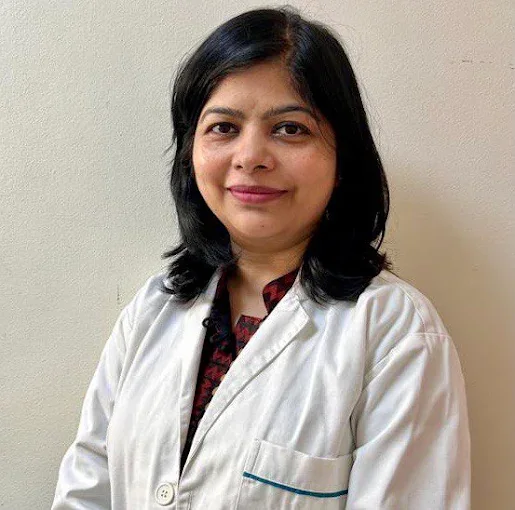
Irregular Periods with Dr. Bhavya Rathore
Why patients in Indirapuram consult Dr. Rathore for menstrual problems
With over 20 years in gynaecology, Dr. Rathore's aim is to explain what your bleeding pattern is telling us and to fix the cause — reaching for surgery only when medical treatment has not worked or the diagnosis requires it.
Consultations for menstrual problems are available at the Indirapuram clinic in Gyan Khand 4, with ultrasound and blood tests arranged locally.
Frequently asked questions
Is it normal to skip a period occasionally?
An occasional late or missed period due to stress, travel or illness is common. Persistent irregularity over three or more cycles should be evaluated.
Can irregular periods affect fertility?
Irregular cycles usually signal irregular ovulation, which makes conception less predictable. It is often correctable.
Are heavy periods dangerous?
Heavy periods can cause iron-deficiency anaemia and, rarely, indicate a significant underlying problem. They deserve evaluation, especially after 40.
Related services
Related reading
Medical disclaimer: This page is for general information and does not replace a consultation. It is not individual medical advice, and outcomes vary from person to person. If you have urgent symptoms — heavy bleeding, severe pain, fever, fainting or reduced baby movements — contact the clinic or go to the nearest emergency department immediately. Read the full disclaimer.
Appointments
Book a consultation for menstrual problems
Consultations at the Indirapuram clinic, Gyan Khand 4. Call or WhatsApp for the earliest available slot, or send a request online and the clinic will confirm.
Gyan Khand 4, Indirapuram, Ghaziabad 201014 · Mon – Sat · 10:00 AM – 6:00 PM